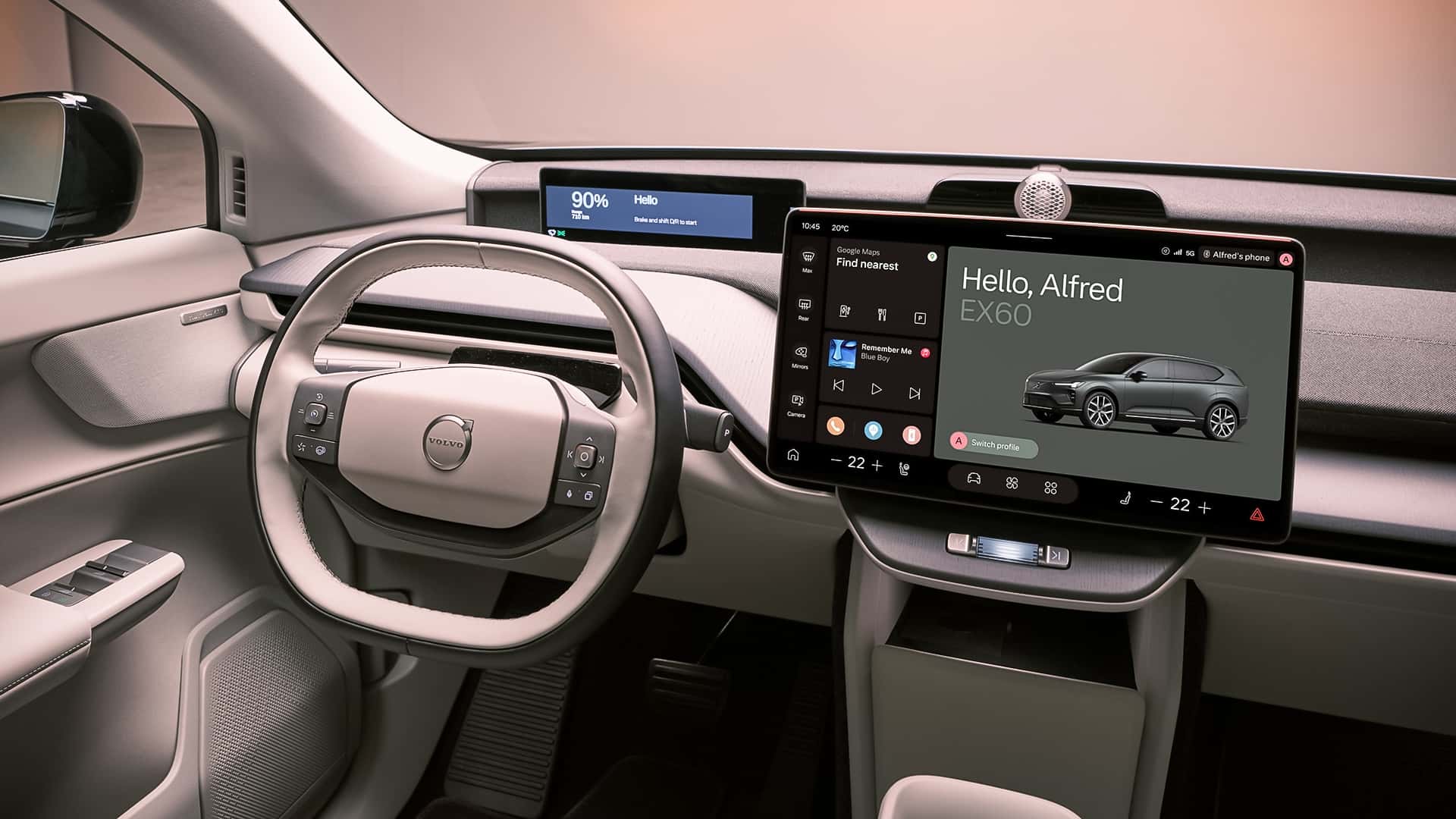
Google's Android Automotive OS Expands Control in Vehicles
Updated March 27, 2026
Google's Android Automotive OS is set to enhance the functionality of Software Defined Vehicles (SDVs) by enabling control over various car features, including seat motors, HVAC systems, and lighting. This development represents a significant shift in how software can manage vehicle operations beyond just infotainment systems. As more manufacturers adopt this technology, it could lead to a more integrated and user-friendly driving experience.
Share this story
Why it matters
- ✓Provides EV owners with a more seamless integration of vehicle controls and infotainment systems.
- ✓Enhances customization options for drivers, allowing for personalized settings for comfort and convenience.
- ✓Potentially increases the resale value of vehicles that adopt advanced software capabilities.
Google's Android Automotive OS Expands Control in Vehicles
Introduction
In a significant advancement for the automotive industry, Google's Android Automotive OS is poised to take over more than just the screens in vehicles. This new operating system, designed specifically for Software Defined Vehicles (SDVs), will enable control over various essential vehicle functions, including seat motors, heating, ventilation, and air conditioning (HVAC), and lighting systems. This integration marks a pivotal moment in the evolution of vehicle technology, promising to enhance the driving experience for electric vehicle (EV) owners and buyers alike.
What is Android Automotive OS?
Android Automotive OS is a version of Google's Android operating system tailored for use in vehicles. Unlike Android Auto, which mirrors a smartphone's interface on a car's display, Android Automotive is built directly into the car's hardware. This allows it to control not only infotainment features but also critical vehicle functions. With this technology, automakers can create a more cohesive and user-friendly interface that integrates various aspects of vehicle operation.
Key Features of Android Automotive OS
The new capabilities of Android Automotive OS extend beyond entertainment and navigation. Here are some of the critical features that will be available:
- Control of Seat Motors: Drivers can adjust their seating position with greater precision, enhancing comfort during drives.
- HVAC Management: The system will allow for more sophisticated climate control settings, ensuring optimal comfort for all passengers.
- Lighting Control: Drivers will have the ability to manage interior and exterior lighting more effectively, improving visibility and safety.
These features are just the beginning, as the platform is designed to be open-source, allowing for continuous updates and improvements from both Google and third-party developers. This flexibility could lead to innovative applications that further enhance vehicle functionality.
Implications for EV Buyers and Owners
The introduction of Android Automotive OS has several implications for current and prospective EV buyers and owners:
- Seamless Integration: With the ability to control various vehicle functions through a single interface, drivers can expect a more streamlined experience. This integration can reduce the complexity of managing multiple systems, making it easier to operate the vehicle.
- Customization Options: The software's capabilities allow for greater personalization. Drivers can set their preferences for seating, climate, and lighting, which can be saved and recalled easily. This feature is particularly appealing for families or shared vehicles where multiple users may have different comfort settings.
- Future-Proofing Vehicles: As more manufacturers adopt Android Automotive OS, vehicles equipped with this technology may retain their value better over time. The ability to receive software updates and new features can keep older models competitive with newer releases, appealing to buyers in the used car market.
The Future of Vehicle Technology
The shift towards Software Defined Vehicles represents a broader trend in the automotive industry where software plays a crucial role in vehicle performance and user experience. As automakers increasingly adopt platforms like Android Automotive OS, we can expect to see a rise in features that enhance safety, comfort, and convenience.
Moreover, this trend aligns with the growing demand for connected vehicles that can communicate with other devices and systems, paving the way for advancements in autonomous driving and smart city integration.
Conclusion
Google's Android Automotive OS is set to revolutionize the way we interact with our vehicles. By extending control beyond infotainment systems to critical vehicle functions, it promises to enhance the driving experience for EV owners and buyers. As this technology becomes more prevalent, it will likely shape the future of vehicle design and functionality, making it an exciting time for the automotive industry and consumers alike.
Sources
Comments
Log in with
Loading comments…