
Harvard Study Predicts 32% of US New Car Sales Will Be EVs by 2030

Edited by Volta Kessrin
Models, Pricing & Buying
Updated September 27, 2026
3 min read
1 linked source
A recent study by the Salata Institute for Climate and Sustainability at Harvard University forecasts that electric vehicle (EV) sales in the US will rise to 32% of new car sales by 2030, up from 8% today. This projection comes despite current challenges faced by the EV market, including regulatory hurdles. The study highlights a significant shift in consumer preferences and market dynamics over the next decade.
Share this story
Why it matters
- ✓Increased EV sales could lead to more competitive pricing and a wider selection of models for buyers.
- ✓As EV adoption grows, charging infrastructure may expand, improving access for current and future EV owners.
- ✓Higher EV sales could influence government policies and incentives, potentially lowering ownership costs.
Harvard Study Predicts Significant EV Market Growth
A study conducted by the Salata Institute for Climate and Sustainability at Harvard University predicts that electric vehicles (EVs) will account for 32% of new car sales in the United States by 2030. This marks a substantial increase from the current 8% share of the market. The study's findings suggest a transformative shift in consumer behavior and the automotive landscape, despite existing challenges posed by the current US administration's policies on electric vehicles.
What Changed?
The key finding of the Harvard study indicates a fourfold increase in EV sales over the next seven years. This projection is particularly notable given the various obstacles that the EV market currently faces, including regulatory uncertainties and infrastructure limitations. The study emphasizes that, even with these challenges, the momentum towards electrification in the automotive sector is expected to accelerate.
Why It Matters for Buyers and Owners
The implications of this forecast for potential EV buyers and current owners are significant:
- Increased Competition: As more manufacturers enter the EV market, buyers can expect a broader range of options and potentially lower prices due to increased competition.
- Improved Charging Infrastructure: A rise in EV sales is likely to drive investment in charging stations, making it easier for owners to charge their vehicles and reducing range anxiety.
- Policy Changes: A substantial increase in EV sales could prompt the government to enhance incentives and support for electric vehicles, which may lower the overall cost of ownership for consumers.
Key Details from the Source Material
The study from Harvard underscores the resilience of the EV market in the face of political and regulatory challenges. Researchers from the Salata Institute have analyzed current trends and consumer preferences, concluding that the demand for electric vehicles will continue to grow. This growth is attributed to factors such as increasing environmental awareness, advancements in battery technology, and the expanding availability of EV models.
What to Watch Next
As the EV market evolves, several factors will be crucial to monitor:
- Government Policies: Changes in federal and state regulations regarding EV incentives and infrastructure development will play a critical role in shaping the market.
- Consumer Adoption Rates: Tracking how quickly consumers adopt EVs in response to new models and pricing strategies will provide insight into the accuracy of the study's predictions.
- Infrastructure Development: The expansion of charging networks will be essential for supporting the growing number of EVs on the road.
In conclusion, the Harvard study presents a hopeful outlook for the electric vehicle market in the US, suggesting that significant growth is on the horizon. For buyers and owners, this could mean more choices, better prices, and improved infrastructure, all contributing to a more sustainable automotive future.
Sources
These are the documents and reports used to build this brief so readers can verify the story directly.
- Harvard Study Predicts 32 Percent Of US New Car Sales In US In 2030 Will Be EVs — CleanTechnicaMEDIA
Reporting notes
EV Signal briefs are written to explain the verified change first, then add the context EV buyers and owners need to understand cost, availability, charging access, eligibility, or ownership impact.
If details are still developing, we try to say what is confirmed, what comes from secondary reporting, and what readers should verify before acting.
Source mix
1 linked source
1 media
Reviewed from: CleanTechnica.
Comments
Log in with
Loading comments…
More in Buying

New Study Boosts Confidence in Buying Used EVs in the UK
A recent study in the UK indicates that used electric vehicles (EVs) are more reliable than…
2h ago

Survey Reveals Gas Prices Needed to Encourage EV Adoption
A recent survey conducted by Electrek found that rising gas prices could influence drivers'…
14h ago
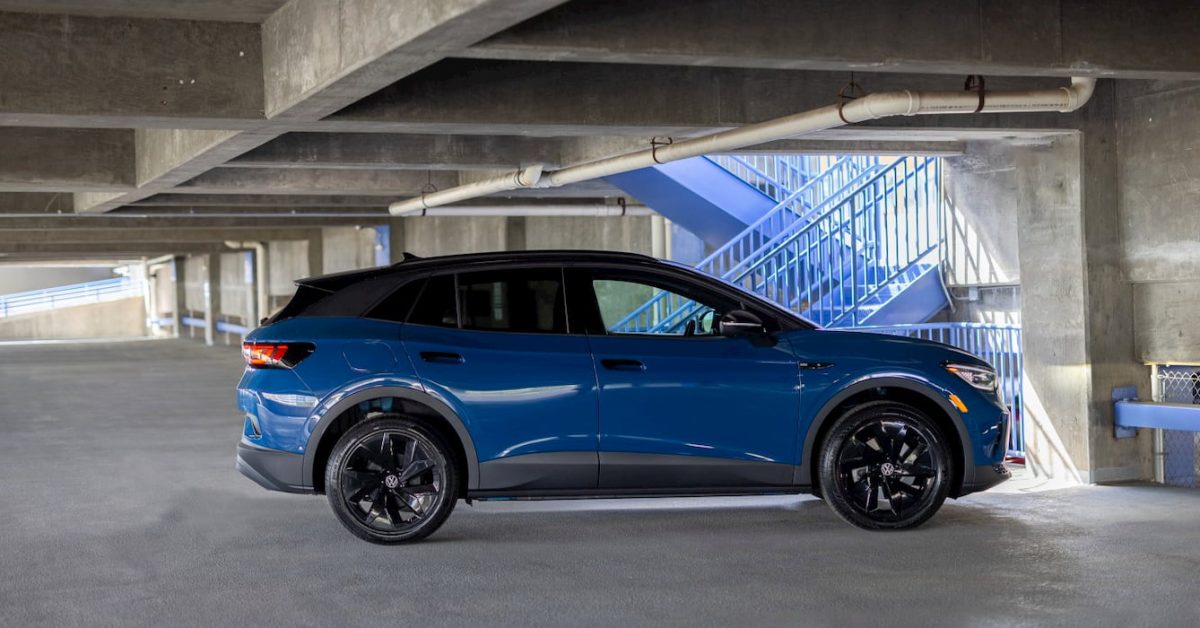
Volkswagen Offers $12,500 Discount on 2025 ID.4 EVs to Clear Inventory
Volkswagen is implementing a significant price reduction of $12,500 on its 2025 ID.4 electric…
1d ago

EV Adoption Faces Challenges Due to Aging Population
Recent insights reveal that while political affiliations show a surprising alignment in electric…
1d ago