Horse Powertrain Introduces Methanol-Based EV Range Extender
Updated July 14, 2026
3 min read
1 linked source
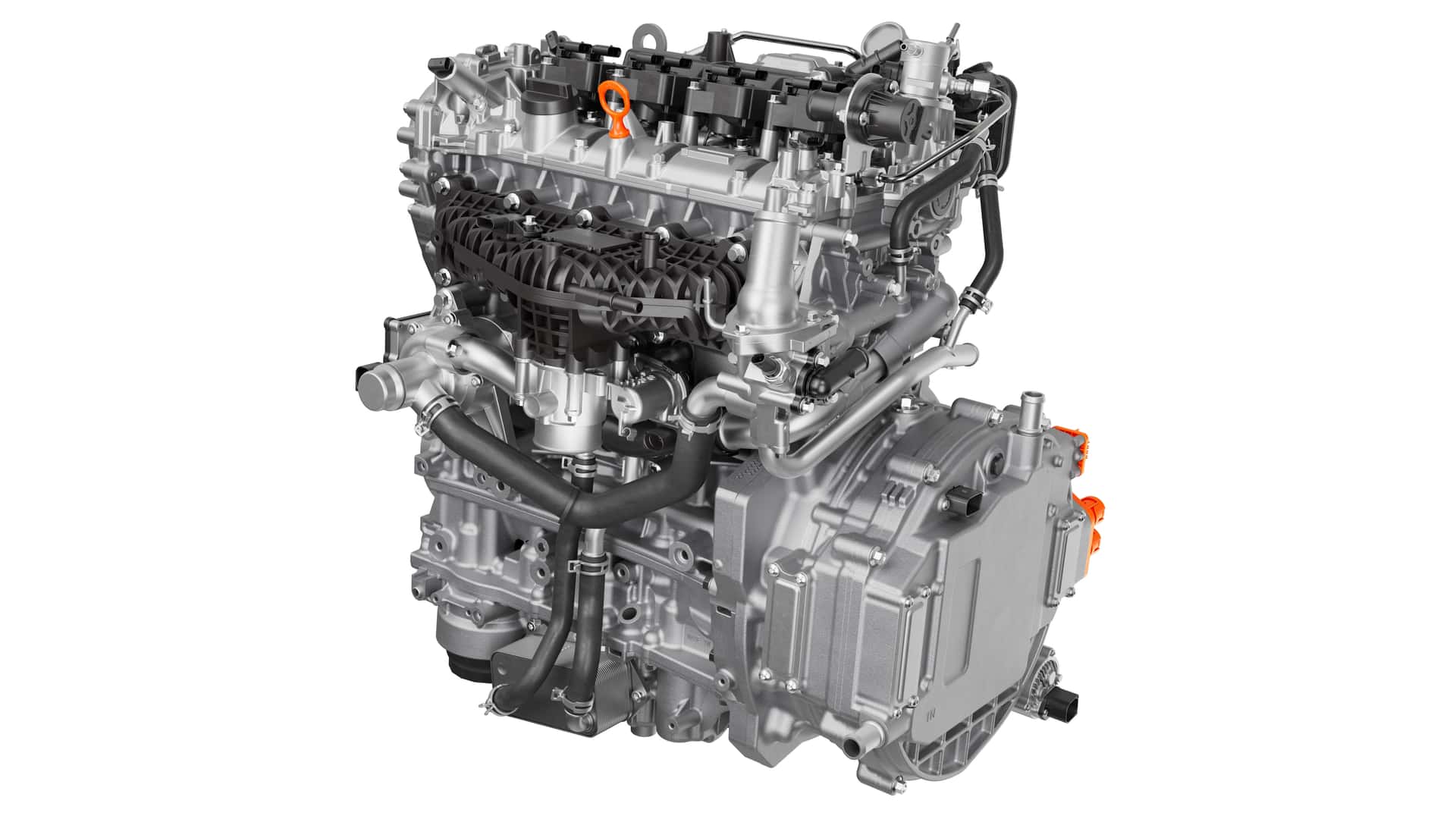
Horse Powertrain has unveiled its D20 range extender, which utilizes a new type of generator that operates on methanol instead of gasoline. This innovative electric motor is smaller and more powerful than traditional generators, potentially enhancing the range and efficiency of electric vehicles. However, details on availability and pricing remain unclear.
Share this story
Why it matters
- ✓The D20 range extender could provide a more sustainable option for EV owners, reducing reliance on gasoline.
- ✓With a smaller and more powerful generator, EVs equipped with this technology may experience improved range and performance.
- ✓The use of methanol may also influence the cost and accessibility of charging infrastructure for EV owners.
Reporting notes
EV Signal briefs are written to explain the verified change first, then add the context EV buyers and owners need to understand cost, availability, charging access, eligibility, or ownership impact.
If details are still developing, we try to say what is confirmed, what comes from secondary reporting, and what readers should verify before acting.
Source mix
1 linked source
1 media
Reviewed from: InsideEVs.
Horse Powertrain Introduces Methanol-Based EV Range Extender
Horse Powertrain has launched its D20 range extender, which features a new type of generator that operates on methanol rather than traditional gasoline. This advancement in electric vehicle technology promises to enhance the efficiency and range of EVs, making them more appealing to potential buyers and current owners.
What Changed
The key innovation in the D20 range extender is its electric motor, which is reported to be smaller and more powerful than conventional generators. This could lead to significant improvements in the performance of electric vehicles that adopt this technology. Unlike traditional range extenders that rely on gasoline, the D20's methanol-based generator offers a potentially cleaner alternative, aligning with the growing demand for sustainable energy solutions in the automotive sector.
Why It Matters for Buyers and Owners
- Sustainability: The shift to a methanol-based generator could reduce the carbon footprint associated with electric vehicle operation, appealing to environmentally conscious consumers.
- Performance: The smaller and more powerful design of the D20 range extender may provide better range and efficiency for electric vehicles, addressing one of the primary concerns of potential EV buyers—range anxiety.
- Charging Infrastructure: The introduction of methanol as a fuel source could lead to new developments in charging infrastructure, although the specifics of this transition are still unclear.
Key Details from Source Material
According to InsideEVs, the D20 range extender's electric motor is designed to outperform traditional generators in both size and power. This advancement could make it a valuable addition to electric vehicles, particularly for those who require extended range capabilities without the need for frequent charging. However, the article does not provide specific information regarding the pricing or availability of the D20 range extender, which are critical factors for consumers considering its adoption.
What to Watch Next
As Horse Powertrain continues to develop and promote the D20 range extender, it will be important to monitor updates regarding its availability and pricing. Additionally, the response from the EV market and potential partnerships with vehicle manufacturers will be crucial in determining the impact of this technology on the broader electric vehicle landscape. Consumers should keep an eye on developments related to charging infrastructure that may arise as methanol becomes a more prominent fuel source for electric vehicles.
In conclusion, the introduction of Horse Powertrain's D20 range extender represents a significant step forward in electric vehicle technology, with the potential to enhance performance and sustainability. However, further details are needed to fully understand its implications for buyers and owners in the EV market.
Sources
These are the documents and reports used to build this brief so readers can verify the story directly.
Comments
Log in with
Loading comments…
More in Ownership

Janus Electric to Convert 67 Diesel Trucks to Battery-Swap EVs
Janus Electric has announced plans to convert 67 Class 8 heavy-duty trucks from diesel to…
Jul 20

Florida AG Seeks to Overturn Tesla's $243M Autopilot Crash Verdict
Florida Attorney General James Uthmeier has requested a federal appeals court to overturn a $243…
Jul 20

Principia College Prepares for Electrek Formula Sun Grand Prix
Principia College is set to participate in the Electrek Formula Sun Grand Prix (FSGP), a…
Jul 20

Suzuki Owner Converts Blown Engine SUV to EV in Five Days
After a Suzuki SUV's engine failed, the owner successfully converted it into an electric vehicle…
Jul 18