
Hyundai Plans Solid-State Battery Cars Within Five Years

Edited by Volta Kessrin
Models, Pricing & Buying
Updated September 27, 2026
3 min read
1 linked source
Hyundai's head of R&D, Manfred Harrer, has announced that small-volume cars equipped with solid-state batteries are expected to enter the market within the next five years. This development could significantly impact the EV landscape, although specific details on pricing and availability remain uncertain.
Share this story
Why it matters
- ✓Solid-state batteries promise improved energy density and safety, potentially leading to longer ranges for EVs.
- ✓The introduction of these batteries could influence the overall cost of EV ownership, depending on production and market pricing.
- ✓Availability of solid-state battery vehicles may initially be limited to niche markets, affecting early adopters.
Hyundai's Solid-State Battery Initiative
Hyundai's head of R&D, Manfred Harrer, has confirmed that the company is working on solid-state battery technology, with plans to launch small-volume cars featuring these batteries within the next five years. This announcement marks a significant step in Hyundai's commitment to advancing EV technology and could reshape the future of electric vehicles.
What Changed
The key update from Hyundai's R&D department is the timeline for the introduction of solid-state battery vehicles. Harrer emphasized that while the company is not ready to abandon this technology, it is focused on overcoming the challenges that come with solid-state battery production. The expectation is that these vehicles will be available in the market within five years, although specific models and pricing details have not yet been disclosed.
Why It Matters for Buyers and Owners
The introduction of solid-state batteries could have several implications for EV buyers and owners:
- Improved Performance: Solid-state batteries are known for their higher energy density compared to traditional lithium-ion batteries, which could lead to longer driving ranges and shorter charging times.
- Cost Implications: While solid-state batteries have the potential to reduce overall ownership costs due to their efficiency, the initial pricing of vehicles equipped with this technology remains uncertain.
- Market Availability: Initially, solid-state battery vehicles may be limited to small-volume production, which could affect accessibility for mainstream consumers.
Key Details from Source Material
According to the article from InsideEVs, Hyundai's R&D boss, Manfred Harrer, stated, "Cannot give up right now" regarding the company's commitment to solid-state battery technology. This indicates a strong belief in the potential of this technology despite the challenges that lie ahead. The focus on small-volume cars suggests that Hyundai may be taking a cautious approach, testing the waters before a broader rollout.
What to Watch Next
As Hyundai moves forward with its solid-state battery initiative, several factors will be crucial to monitor:
- Development Progress: Updates on the research and development process will provide insights into the feasibility and timeline of bringing these vehicles to market.
- Market Reactions: How competitors respond to Hyundai's advancements in solid-state technology could influence the broader EV market landscape.
- Consumer Interest: The level of consumer interest in solid-state battery vehicles will play a significant role in determining the success of Hyundai's plans.
In conclusion, while Hyundai's announcement about solid-state batteries is promising, the specifics regarding pricing, model availability, and market impact remain to be seen. Buyers and owners should stay informed as developments unfold in the coming years.
Sources
These are the documents and reports used to build this brief so readers can verify the story directly.
Reporting notes
EV Signal briefs are written to explain the verified change first, then add the context EV buyers and owners need to understand cost, availability, charging access, eligibility, or ownership impact.
If details are still developing, we try to say what is confirmed, what comes from secondary reporting, and what readers should verify before acting.
Source mix
1 linked source
1 media
Reviewed from: InsideEVs.
Comments
Log in with
Loading comments…
More in Models & Pricing
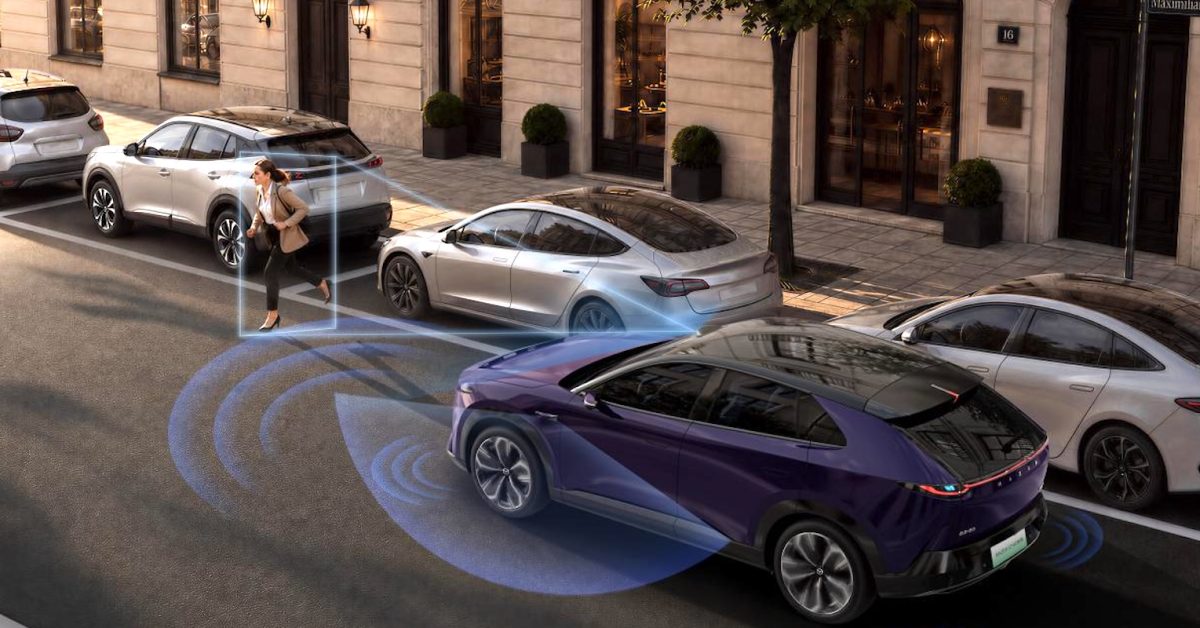
Mazda Integrates LiDAR Technology in CX-6e for Enhanced Autonomy in China
Mazda has introduced a new LiDAR suite in its CX-6e electric SUV, enabling advanced Level 2…
1h ago
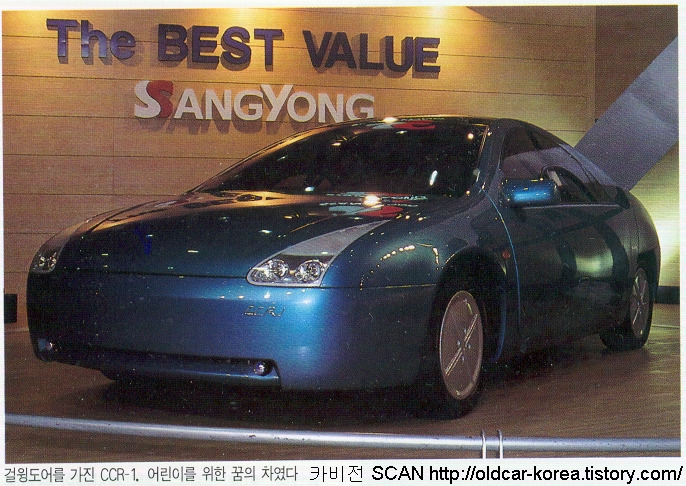
The SsangYong CCR-1: An Early Korean EV Experiment
The SsangYong CCR-1, an electric sports car, was unveiled in 1995, marking an early attempt by…
1h ago

Ethiopian Runners Excel at 2026 BMW BERLIN-MARATHON; New BMW i3 Debuts
At the 2026 BMW BERLIN-MARATHON, Ethiopian runners Tigst Assefa and Guye Adola achieved remarkable…
1h ago
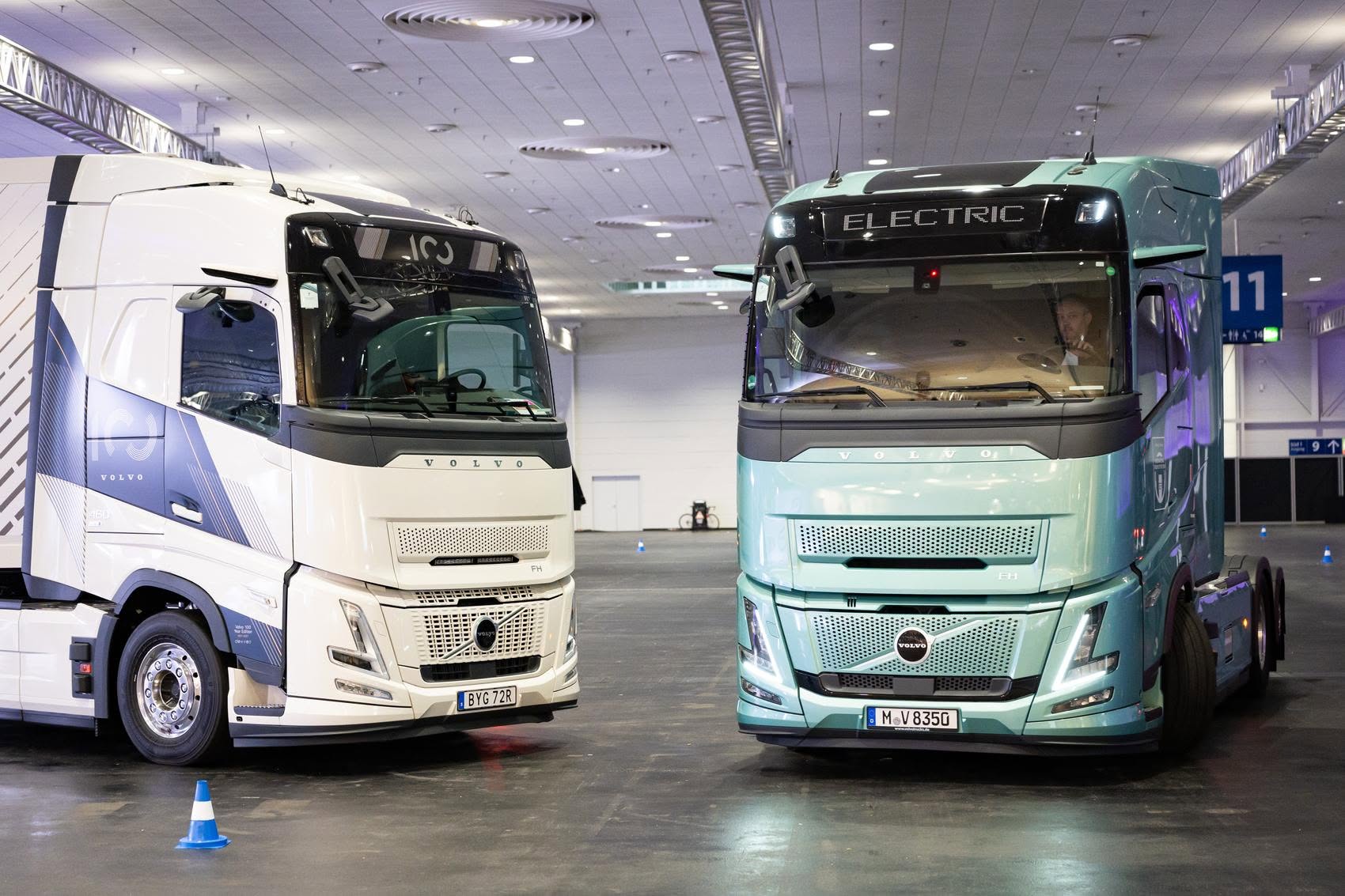
Volvo's Electric Trucks Named International Truck of the Year 2027
Volvo Trucks has been awarded the International Truck of the Year 2027 for its new generation of…
7h ago