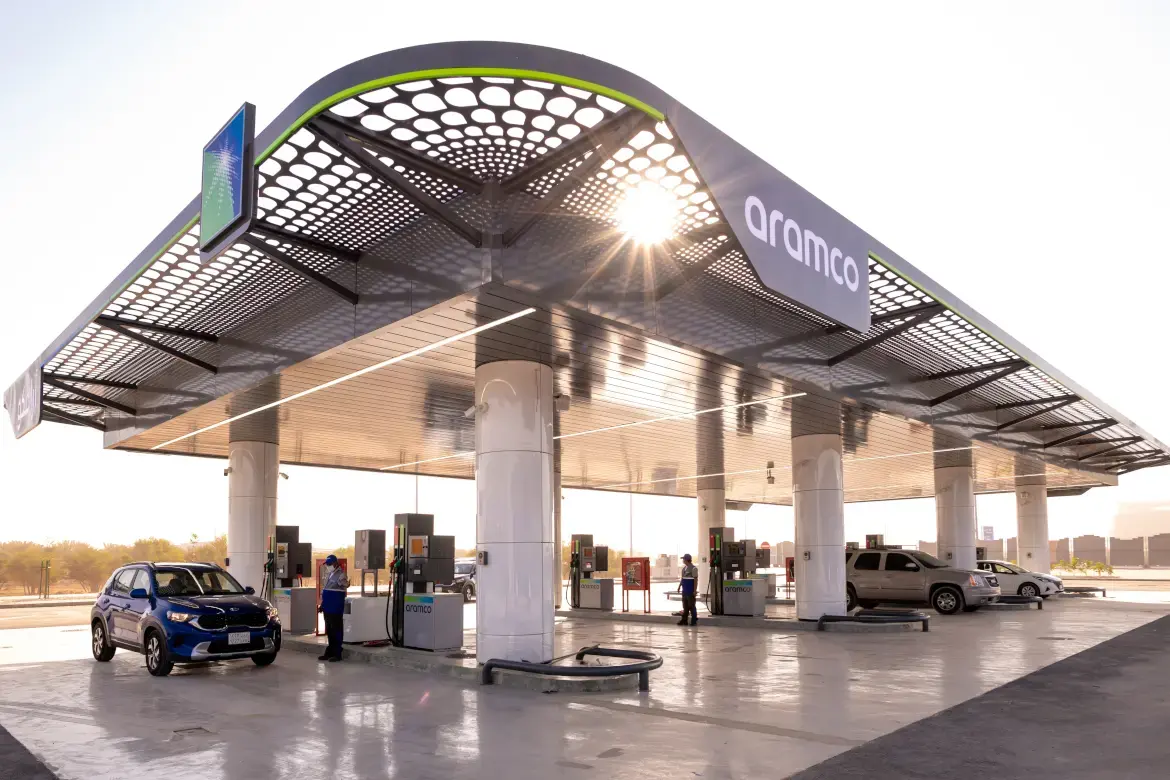
Middle Eastern Gas Stations Transitioning to EV Charging Hubs

Edited by Ionna Brakeley
Charging & Ownership
Updated September 27, 2026
3 min read
1 linked source
Gas stations across the Middle East are undergoing a significant transformation, shifting from traditional petrol stations to high-tech electric vehicle (EV) charging hubs. This change impacts local economies and urban landscapes, reflecting a broader global trend toward electrification. However, the pace and extent of this transition may vary by country and region within the Middle East.
Share this story
Why it matters
- ✓Increased access to EV charging infrastructure may encourage more consumers to consider electric vehicles, potentially lowering ownership costs.
- ✓The shift to charging hubs could lead to more competitive pricing for charging services, benefiting EV owners.
- ✓As traditional petrol stations evolve, the availability of charging stations may improve, reducing range anxiety for EV drivers.
Gas Stations Transitioning to EV Charging Hubs
Gas stations across the Middle East are undergoing a significant transformation, evolving from traditional petrol stations into high-tech electric vehicle (EV) charging hubs. This shift is particularly noteworthy in a region historically defined by its oil economy, where crude petroleum has shaped both wealth and urban landscapes for decades.
What Changed
The core of this change is the move towards electrification, with many gas stations rebranding and upgrading their facilities to accommodate EV charging. This transition reflects a growing recognition of the need for sustainable energy solutions and aligns with global trends towards reducing carbon emissions. As a result, consumers in the Middle East may soon find themselves with more options for charging their electric vehicles, as these hubs are designed to meet the increasing demand for EV infrastructure.
Why It Matters for Buyers/Owners
-
Increased Access: The transformation of gas stations into charging hubs means that EV owners will have better access to charging infrastructure, making it easier to own and operate electric vehicles.
-
Competitive Pricing: As more charging stations become available, competition may drive down the cost of charging services, making EV ownership more financially attractive.
-
Reduced Range Anxiety: With more charging options available, drivers may experience less anxiety about running out of power, encouraging more people to consider switching to electric vehicles.
Key Details from Source Material
According to CleanTechnica, the Middle East is witnessing a fundamental shift at the retail level of the oil industry. Traditional petrol stations are not just disappearing; they are being replaced by advanced facilities that cater to the needs of electric vehicle owners. This evolution is crucial for the region, as it seeks to diversify its economy and reduce its reliance on fossil fuels.
The article emphasizes that while this transition is underway, the pace may vary across different countries within the Middle East. Some nations may embrace this change more rapidly due to government policies and investments in renewable energy, while others may lag behind.
What to Watch Next
As this trend develops, it will be important to monitor how quickly different regions in the Middle East adapt to this change. Key factors to watch include government incentives for EV adoption, investments in charging infrastructure, and consumer acceptance of electric vehicles. Additionally, the interplay between traditional fuel sources and emerging electric options will shape the future landscape of transportation in the region.
In conclusion, the transformation of gas stations into EV charging hubs in the Middle East marks a significant step towards a more sustainable future. As this trend continues, it will be essential for EV buyers and owners to stay informed about the evolving landscape of charging infrastructure.
Sources
These are the documents and reports used to build this brief so readers can verify the story directly.
Reporting notes
EV Signal briefs are written to explain the verified change first, then add the context EV buyers and owners need to understand cost, availability, charging access, eligibility, or ownership impact.
If details are still developing, we try to say what is confirmed, what comes from secondary reporting, and what readers should verify before acting.
Source mix
1 linked source
1 media
Reviewed from: CleanTechnica.
Comments
Log in with
Loading comments…
More in Charging

OBE Power Secures Investment to Expand North American EV Charging Network
OBE Power, a US-based charging network operator, has received a significant equity investment from…
1h ago
Kempower Launches EV Charging Infrastructure at Canadian Ports
Kempower has initiated a new partnership to install high-speed electric vehicle charging…
13h ago
Tesla's Electric Semi Faces Charging Infrastructure Challenges
Tesla's new electric truck, the Semi, which boasts a 500-mile range, is set to launch amid…
13h ago

US Energy Department Emphasizes Geothermal Energy in Policy Shift
The U.S. Energy Department is focusing on geothermal energy as part of its strategy for rapid…
19h ago