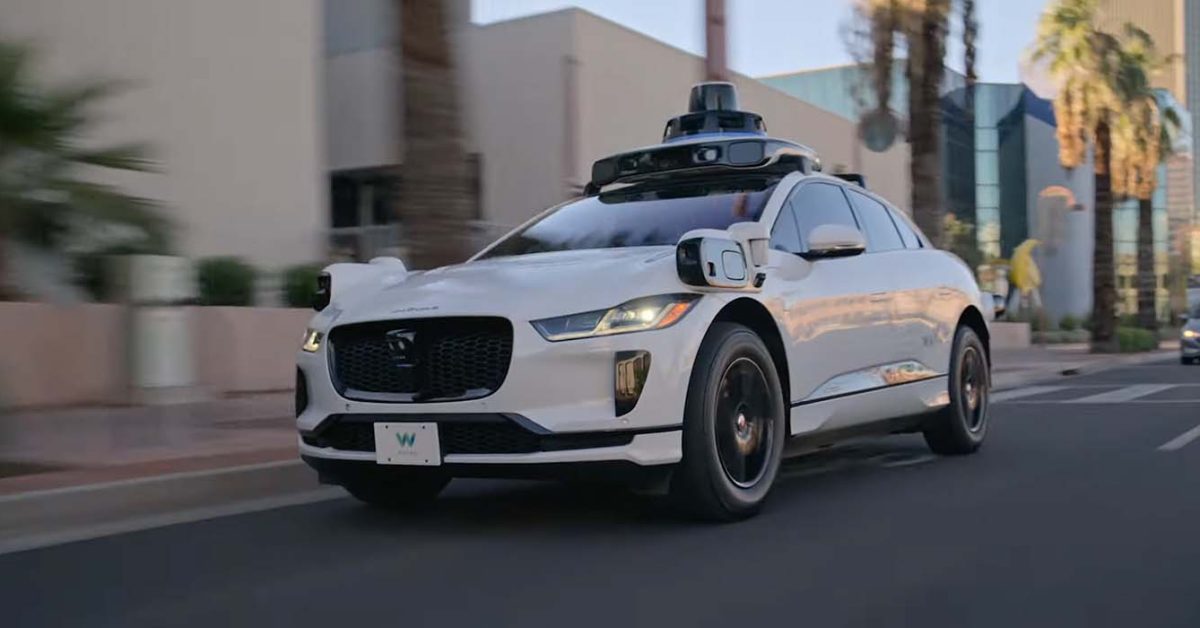
Waymo Claims 841 Injuries Prevented in 271 Million Autonomous Miles

Edited by Dash Coilwright
Incentives & Software
Updated September 24, 2026
3 min read
1 linked source
Waymo has announced that its autonomous robotaxi operations have reportedly prevented 841 injuries over 271 million miles driven. This claim is accompanied by data indicating an 82% reduction in crashes. However, the specifics of how these injuries were calculated and the circumstances surrounding them remain unclear.
Share this story
Why it matters
- ✓If Waymo's claims are verified, it could enhance consumer confidence in autonomous vehicle technology, potentially influencing EV buyers' decisions.
- ✓A significant reduction in injuries may lead to increased regulatory support and investment in autonomous vehicle infrastructure.
- ✓The data may also affect insurance rates for autonomous vehicles, impacting overall ownership costs.
Waymo's New Safety Claims
Waymo has recently released data claiming that its autonomous robotaxi service has prevented 841 injuries while covering 271 million miles. This announcement marks the first time the company has quantified the injuries avoided due to its operations, alongside reporting an impressive 82% reduction in crashes. However, the methodology behind these figures and the specific conditions leading to the prevention of these injuries have not been fully detailed.
What Changed
The key change is Waymo's assertion that its autonomous vehicles have significantly reduced the number of injuries associated with road incidents. The company claims that its technology has not only improved safety by reducing crashes but has also actively prevented injuries that could have occurred in those situations. This announcement comes at a time when the public and regulators are increasingly scrutinizing the safety of autonomous vehicles.
Why It Matters for Buyers and Owners
-
Consumer Confidence: If Waymo's claims hold up under scrutiny, they could bolster consumer confidence in autonomous vehicle technology. This may lead to increased interest and adoption among potential EV buyers who are concerned about safety.
-
Regulatory Support: A proven track record of injury prevention could lead to more favorable regulations and support for autonomous vehicles, which could enhance the infrastructure and availability of such services.
-
Insurance Implications: The reported reduction in injuries may influence insurance companies to adjust their rates for autonomous vehicles, potentially lowering ownership costs for consumers who choose to invest in this technology.
Key Details from Source Material
According to Electrek, Waymo's new data indicates a substantial improvement in safety metrics. The company claims an 82% reduction in crashes, which is a significant achievement in the realm of autonomous vehicle technology. However, the lack of detailed context regarding how these injuries were quantified raises questions about the reliability of the data. It is unclear whether the injuries prevented were based on predictive models, historical data comparisons, or direct observations from the robotaxi operations.
What to Watch Next
As Waymo continues to roll out its autonomous services, it will be important to monitor how these claims are received by the public and regulatory bodies. Future reports should provide more clarity on the methodology behind the injury prevention claims and whether independent studies can corroborate Waymo's data. Additionally, the impact on insurance rates and consumer adoption of autonomous vehicles will be crucial indicators of the technology's acceptance in the market.
In conclusion, while Waymo's claims present a promising outlook for the safety of autonomous vehicles, further verification and transparency will be essential for building trust among consumers and stakeholders in the EV market.
Sources
These are the documents and reports used to build this brief so readers can verify the story directly.
Reporting notes
EV Signal briefs are written to explain the verified change first, then add the context EV buyers and owners need to understand cost, availability, charging access, eligibility, or ownership impact.
If details are still developing, we try to say what is confirmed, what comes from secondary reporting, and what readers should verify before acting.
Source mix
1 linked source
1 media
Reviewed from: Electrek.
Comments
Log in with
Loading comments…
More in Software
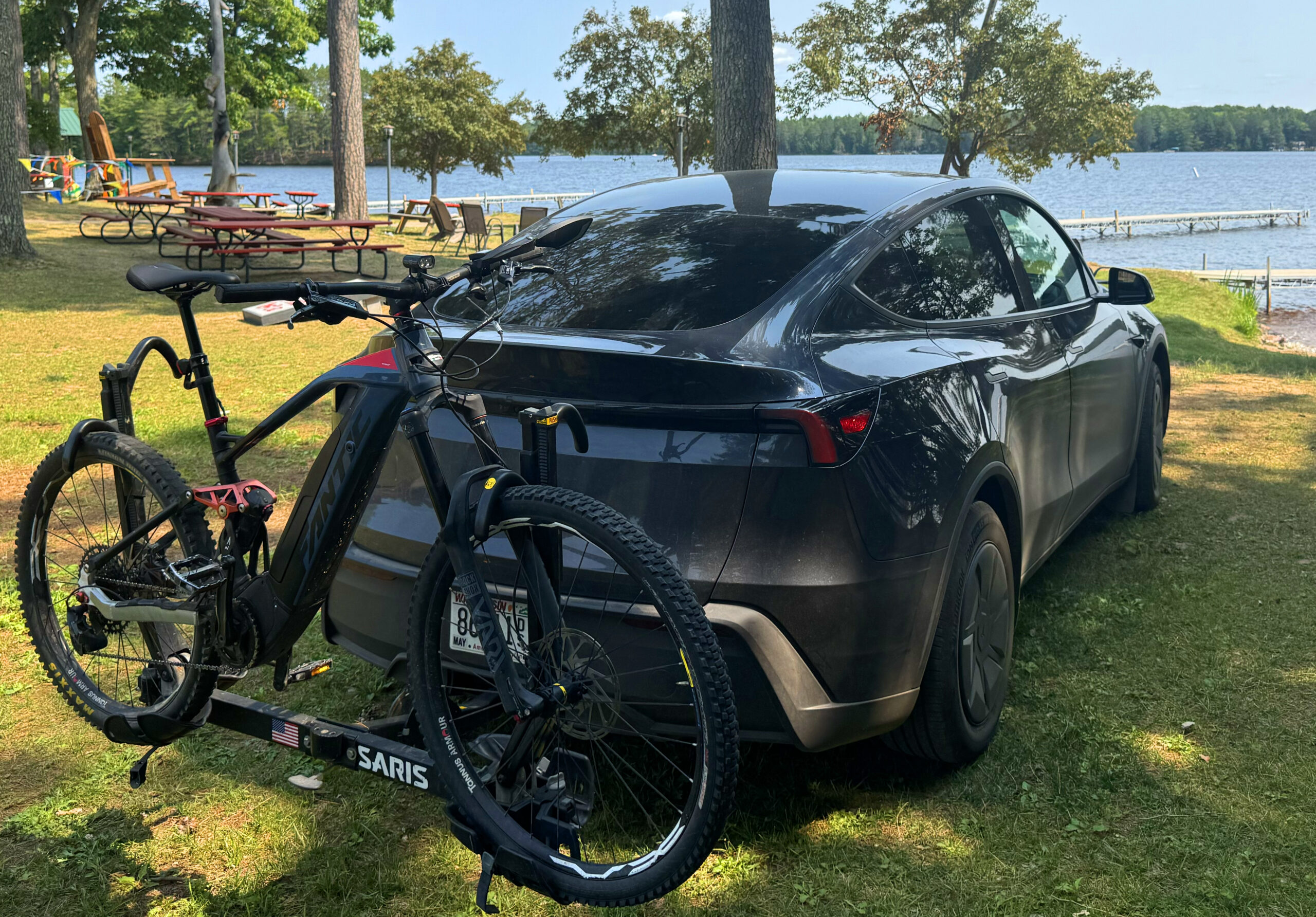
Tesla's Full Self-Driving Feature May Soon Allow Unsupervised Operation
Tesla is reportedly moving closer to enabling its Full Self-Driving (FSD) feature to operate…
20h ago

Tesla Full Self-Driving Release in the EU Delayed
Tesla's Full Self-Driving (FSD) feature is facing a delay in its release in the European Union,…
20h ago
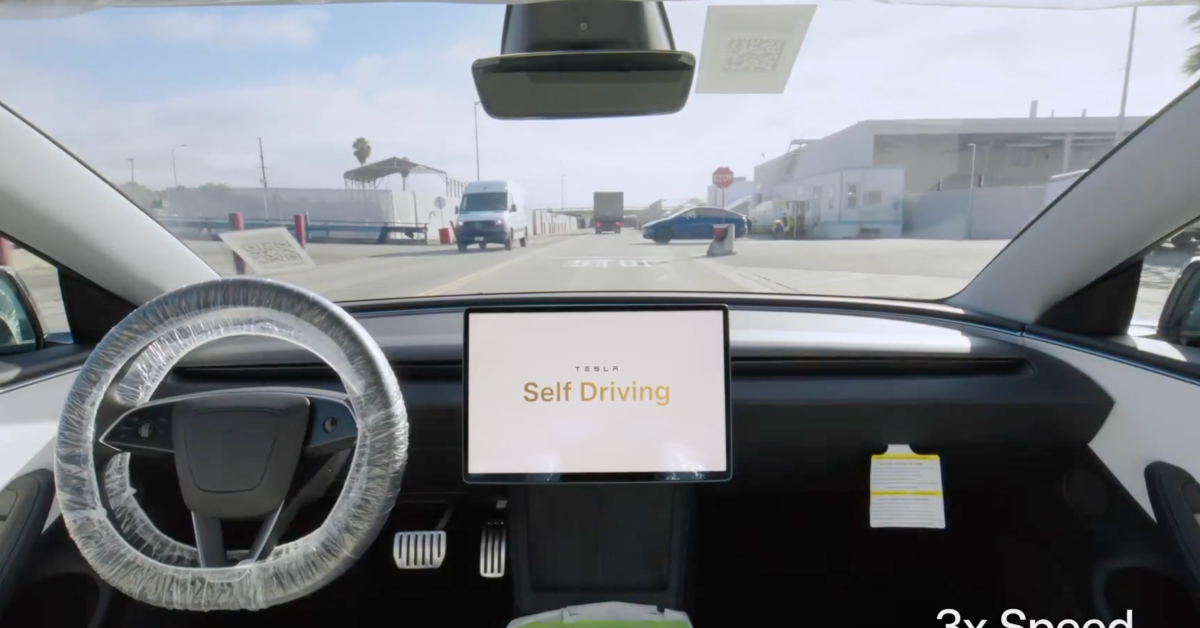
EU Delays Vote on Tesla's Full Self-Driving Approval to December
The European Union has postponed the vote on Tesla's 'Full Self-Driving (Supervised)' system,…
1d ago

Waymo Reports Nearly 1,000 Avoided Injuries from Robotaxi Service
Waymo has announced that its robotaxi service has contributed to nearly 1,000 avoided injuries,…
1d ago