
OceanX's Downwind Floating Wind Technology Gains Attention

Edited by Ionna Brakeley
Charging & Ownership
Updated September 27, 2026
3 min read
1 linked source
OceanX has introduced a new floating wind technology that features two turbines on a single platform with rotors positioned downwind of their supports. This design challenges conventional wind turbine setups and aims to improve efficiency. However, skepticism remains regarding its viability, as the wind industry has previously favored different configurations.
Share this story
Why it matters
- ✓Innovations in renewable energy technology could lead to lower energy costs, indirectly benefiting EV owners through reduced electricity prices.
- ✓If successful, this technology could enhance the availability of clean energy sources, supporting the growth of EV charging infrastructure.
- ✓The development of downwind floating wind technology may influence future policies and incentives related to renewable energy investments.
OceanX's Downwind Floating Wind Technology Gains Attention
OceanX has introduced a new floating wind technology that features two turbines on a single platform with rotors positioned downwind of their supports. This innovative approach challenges conventional wind turbine setups and aims to improve efficiency in harnessing wind energy. However, skepticism remains regarding its viability, as the wind industry has previously favored different configurations.
What Changed
The core of OceanX's innovation lies in its unique design, which places two turbines on a single floating platform and positions the rotors downwind of their supporting structures. This contrasts with traditional wind turbine designs that typically place rotors in front of their supports. While this design could potentially enhance energy capture, it raises questions about stability and efficiency, as highlighted by industry experts.
Why It Matters for Buyers/Owners
The implications of OceanX's floating wind technology extend beyond the immediate realm of wind energy:
- Cost Implications: Innovations in renewable energy technology could lead to lower energy costs, indirectly benefiting EV owners through reduced electricity prices. As energy becomes cheaper, the cost of charging electric vehicles may also decrease.
- Enhanced Charging Infrastructure: If successful, this technology could enhance the availability of clean energy sources, supporting the growth of EV charging infrastructure. Increased renewable energy generation can lead to more charging stations powered by clean energy.
- Policy and Incentives: The development of downwind floating wind technology may influence future policies and incentives related to renewable energy investments, potentially benefiting EV buyers through new programs or subsidies.
Key Details from Source Material
According to CleanTechnica, OceanX's approach has raised skepticism due to its unconventional design. The article notes that the wind industry has largely avoided such configurations in the past for specific reasons, which remain to be fully explored. The article does not provide extensive details on the performance metrics or testing phases of OceanX's technology, leaving some uncertainty about its practical applications and effectiveness.
What to Watch Next
As OceanX continues to develop and test its downwind floating wind technology, stakeholders in the renewable energy and EV sectors should monitor the following:
- Performance Data: Look for updates on the performance and efficiency of OceanX's floating wind platforms compared to traditional designs.
- Industry Reactions: Pay attention to feedback from industry experts and competitors regarding the viability of this technology.
- Policy Developments: Watch for any new policies or incentives that may arise as a result of advancements in floating wind technology and its integration into the broader renewable energy landscape.
In conclusion, while OceanX's downwind floating wind technology presents an intriguing development in renewable energy, its practical implications for EV buyers and owners remain to be fully realized. Stakeholders should stay informed as this technology evolves.
Sources
These are the documents and reports used to build this brief so readers can verify the story directly.
- OceanX Made Downwind Floating Wind Worth Another Look — CleanTechnicaMEDIA
Reporting notes
EV Signal briefs are written to explain the verified change first, then add the context EV buyers and owners need to understand cost, availability, charging access, eligibility, or ownership impact.
If details are still developing, we try to say what is confirmed, what comes from secondary reporting, and what readers should verify before acting.
Source mix
1 linked source
1 media
Reviewed from: CleanTechnica.
Comments
Log in with
Loading comments…
More in Ownership

Philippines' Electric Vehicle Transition Must Align with ASEAN Initiatives
The Philippines is facing challenges in its electric vehicle (EV) transition, as local transport…
2h ago
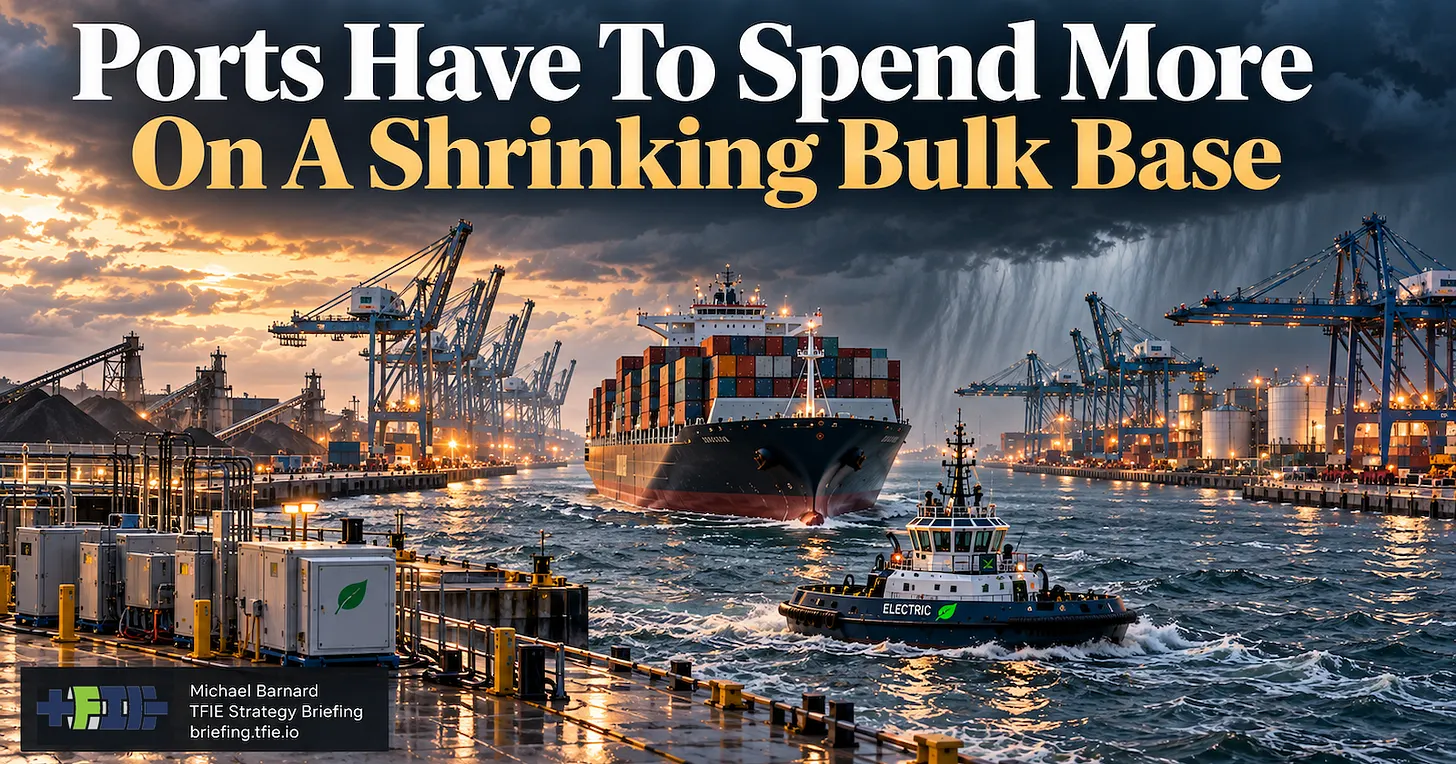
Ports Face Capital Challenges as Bulk Cargo Demand Declines
Ports are experiencing a significant shift as their bulk cargo base shrinks, prompting a need for…
2h ago
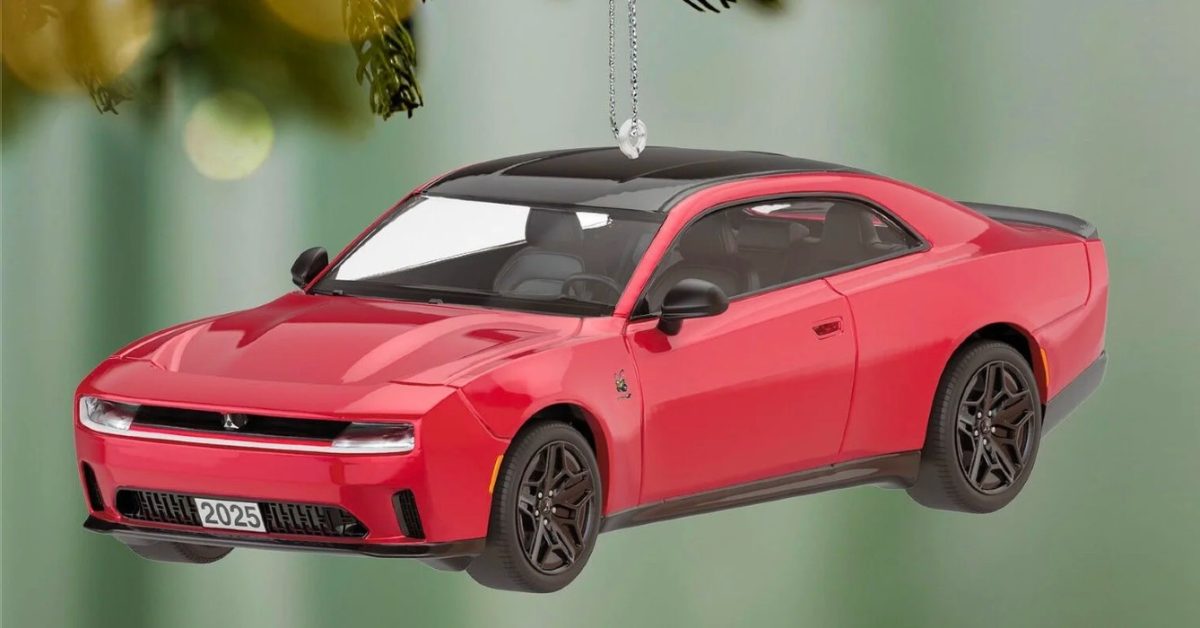
Hallmark Introduces Keepsake Daytona Scat Pack for Christmas Trees
Hallmark has launched a new Keepsake ornament featuring the all-electric Dodge Charger Daytona Scat…
2h ago

Genesis GV90 Features Expanding Motorized Display for Enhanced Parking Experience
The Genesis GV90 introduces a unique motorized display that rises when the vehicle is parked,…
8h ago